





PRK eye surgery2026-07-13T12:50:30+00:00

Is PRK the right option for your eyes?

PRK is a well-established laser vision correction procedure that may significantly reduce or eliminate your need for visual aid. You may qualify for PRK depending on your eye health.

Is PRK the right option for your eyes?

PRK is a well-established laser vision correction procedure that may significantly reduce or eliminate your need for visual aid. You may qualify for PRK depending on your eye health.

As seen in

As seen in

PRK FAQ: Your Guide to Vision Correction

Explore the benefits of PRK eye surgery and get answers to all your questions about this treatment.

PRK suitability criteria include individuals seeking vision correction without glasses or contacts.

Typically, candidates are over 18 years old with stable prescriptions and healthy corneas.

This procedure is often preferred for those with thin corneas or those who may not qualify for LASIK due to certain corneal characteristics.

It’s essential to undergo a thorough eye examination to determine if PRK is the right option for your vision correction needs.

PRK eye surgery aims to correct vision by reshaping the cornea. Firstly, the surgeon removes the thin outer layer of the cornea, called the epithelium. Next, using an excimer laser, precise reshaping of the cornea occurs. This allows light to focus properly on the retina, improving vision.

Unlike LASIK, PRK does not involve creating a corneal flap.

Advantages of PRK:

  • Suitable for Individuals with Thin Corneas: PRK is an excellent option for people with thin corneas who may not be candidates for LASIK. Since PRK does not involve creating a corneal flap, it can safely correct vision in these cases.
  • Lower Risk of Corneal Flap Complications: Unlike LASIK, PRK does not require the creation of a corneal flap. This eliminates the risk of flap-related complications, such as dislocation or wrinkling.
  • Ideal for Active Lifestyles: PRK is often recommended for individuals with active or high-risk lifestyles, including athletes and military personnel, because there is no risk of flap dislocation with impact or strenuous activities.
  • Effective for High Levels of Refractive Error: PRK can successfully correct significant refractive errors, including high degrees of nearsightedness, farsightedness, and astigmatism, providing substantial improvement in vision.

Disadvantages of PRK:

  • Longer Recovery Time Compared to LASIK: PRK has a slower recovery process than LASIK. It can take several days to weeks for the surface of the cornea to heal and for vision to stabilise.
  • Increased Discomfort During Recovery: Patients often experience more discomfort during the initial recovery period after PRK. Symptoms can include pain, light sensitivity, and a gritty sensation in the eyes, typically lasting a few days.
  • Higher Risk of Haze Formation: There is a potential for corneal haze to develop during the healing process. This haze can cause vision to appear cloudy and may require additional treatment if it persists.
  • Potential for Temporary or Permanent Vision Fluctuations: During the healing process, some patients may experience temporary vision fluctuations. In rare cases, these fluctuations can be long-lasting, impacting overall visual clarity.
  • Not Suitable for Certain Corneal Conditions or Occupations Requiring Quick Visual Recovery: PRK is not recommended for individuals with specific corneal conditions or those in occupations that demand rapid visual recovery. The extended healing time may be a significant drawback for these patients.

PRK, like any surgical procedure, carries risks.

Potential risks include infection, corneal haze, and over or under correction of vision.

In some cases, patients may experience prolonged healing or dry eye symptoms.

While rare, serious complications such as corneal ulceration or scarring can occur. It’s essential for patients to discuss these risks with their surgeon and follow post-operative care instructions diligently to minimise the likelihood of complications and achieve the best possible outcomes.

PRK is not the only option for laser eye surgery.

Alternatives include LASIK, which involves creating a flap in the cornea, and SMILE, a minimally invasive procedure.

Patients with thin corneas or certain eye conditions may find PRK more suitable than LASIK.

Additionally, implantable contact lenses or refractive lens exchange may be considered for those ineligible for laser surgery.

Consulting with an ophthalmologist can help determine the most appropriate treatment based on individual circumstances.

PRK eye surgery, involves several steps:

  • Step 1: Anaesthetic eye drops are applied to numb the eye.
  • Step 2: The outer layer of the cornea, called the epithelium, is gently removed.
  • Step 3: A cool laser is used to reshape the cornea by removing tiny amounts of tissue. The laser precisely reshapes the cornea to correct refractive errors like nearsightedness, farsightedness, and astigmatism.
  • Step 4: a soft contact lens is placed on the eye to protect it while the epithelium regenerates.
  • Step 5: Over time, the epithelium heals, and vision gradually improves, reaching optimal clarity within a few weeks.

PRK has an excellent safety and efficacy record, with suitable patients achieving a significant improvement in their unaided vision.

Some patients reach 20/20 or better. Full visual clarity typically takes a few weeks to settle. Because PRK involves the surface of the cornea healing rather than the creation of a flap, your progress will be carefully monitored throughout your healing process.

Final outcomes are usually assessed at between three and six months. Individual results vary according to your prescription, how your eyes heal, and other clinical factors, which will be discussed with you.

The information on this page is for general guidance only. Before making any decisions about your eye health or treatment, please speak to a registered ophthalmologist.

An information call with our team does not constitute a clinical assessment, diagnosis, or treatment recommendation.

Not sure if you qualify for SMILE?

Book a video call with our team to find out whether you might be a candidate for SMILE and what clearer vision might mean for your lifestyle.

Not sure if you qualify for SMILE?

Book a video appointment to find out if you’re a candidate for vision correction. Most people assume they are either definitely a candidate or definitely not. The screening usually surprises people either way.

3 Simple Steps To Explore Your Vision Correction Options

Navigating the world of laser eye surgery can feel like a maze. We’ve streamlined the process, making your journey toward clearer vision simple.


Tell us about your eyes

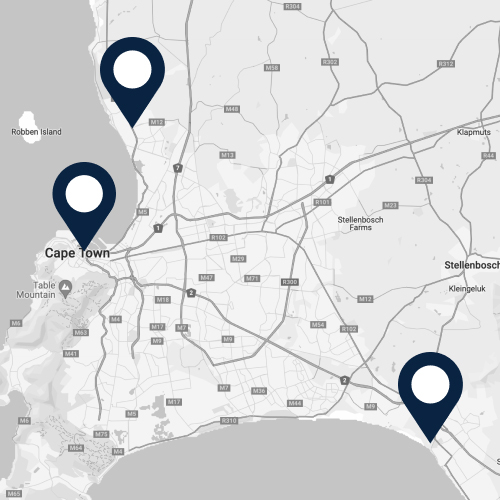
Wondering if laser eye surgery could reduce your reliance on glasses or contacts? The journey begins here. Connect with our welcoming team via +27 79 686 6565 for Foreshore & Blaauwberg or +27 21 802 2853 for Somerset West or book your video call online. It’s your first step towards clarity.

Come in for a screening

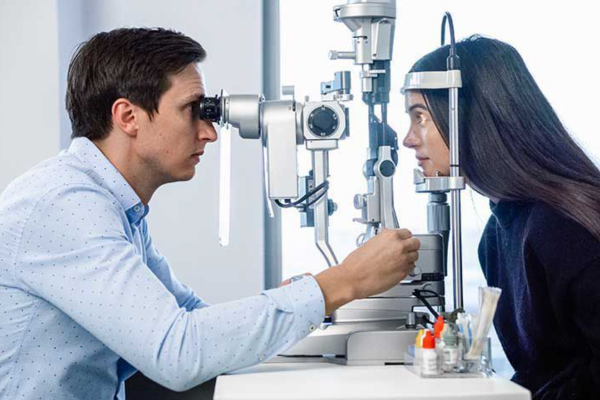
Your ophthalmologist maps your cornea, measures your prescription, and assesses whether SMILE, or any procedure,  is appropriate for your eyes. This is where suitability is confirmed. Cost of the screening will be given when you book.


Decide with full information

If you are a candidate and choose to go ahead, your ophthalmologist will walk through the procedure, the risks, what to expect, and the full cost in writing. Surgery is only scheduled once you are satisfied and have given informed consent.

What patients at Atlantic Eye Laser Centre have said

These are individual patient accounts. Circumstances, outcomes and experiences vary from person to person and do not represent a guarantee of results. Please speak to one of our ophthalmologists about what you may realistically expect for your eyes.

We answer your questions about vision correction treatment in Cape Town

Get a quick overview of everything you need to know about restoring your vision

Reduce Your Reliance on Frames – Explore Your Options

Laser eye surgery isn’t a one-size-fits-all deal. Your eyes and your lifestyle play a big part. Ready to see which type suits you? Take this 2-min self-test and find out.

See Your Options Clearly – Explore What’s Possible

Laser eye surgery isn’t a one-size-fits-all deal. Your eyes and your lifestyle play a big part. Ready to see which type suits you? Take this 2-min quiz and find out.

Hi, I’m Daemon McClunan

I’m proud to be the founder of both Atlantic Eye Centre, an eye specialist centre, and LIQID Medical Pty, a biotech company. My passion for research and innovation has led me to create four patented devices, and receive awards during my specialist training.

With a medical degree from Stellenbosch University, a specialist degree from the University of Cape Town, and experience working in Laser Eye Surgery centres in Canada, Germany, India and London, I’m dedicated to providing dedicated, patient-centred care.

Beyond the clinic, I’ve embarked on humanitarian missions, travelling over 15,000km by motorbike to provide rural eye screenings. In my downtime, I love mountain biking, diving, and spending quality time with my family.

My goal is for every patient to feel genuinely informed, comfortable, and well cared for – from their first conversation right through to their last post-operative visit.

Dr Daemon McClunan

MBChB(SU), DipOphth(SA), MMed(UCT), FcOphth(SA)
Go to Top