Laser eye surgery
Why some patients choose SMILE over LASIK Most people who begin researching laser eye surgery arrive [...]

Laser eye surgery costs in Cape Town: how to think about price and value [...]

How to choose the right laser eye surgery clinic in Cape Town There is a [...]
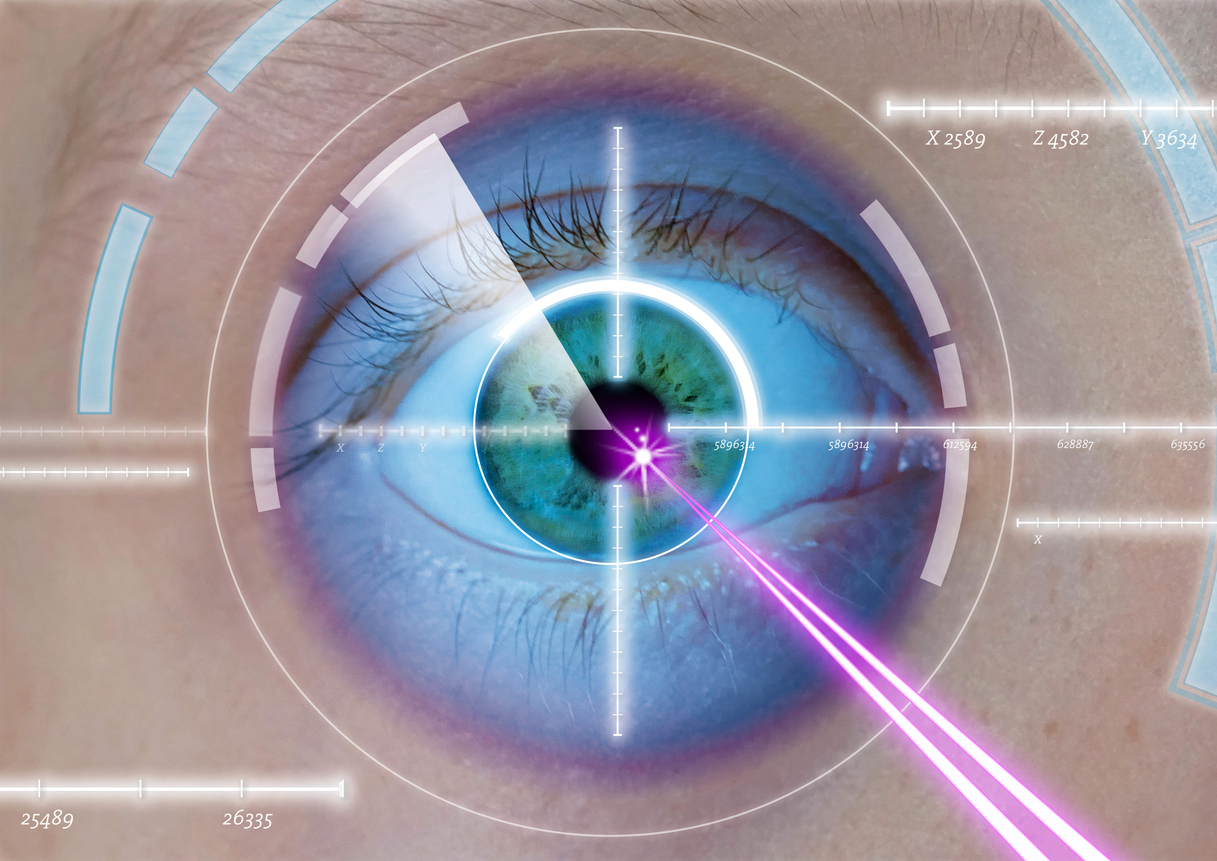
Worried about moving during laser eye surgery? Learn how advanced eye-tracking technology keeps your procedure safe, precise, and fully controlled.
Corneal thickness is crucial for laser eye surgery because enough tissue must remain to safely reshape the cornea, ensuring effective vision correction while maintaining long-term eye strength and stability.
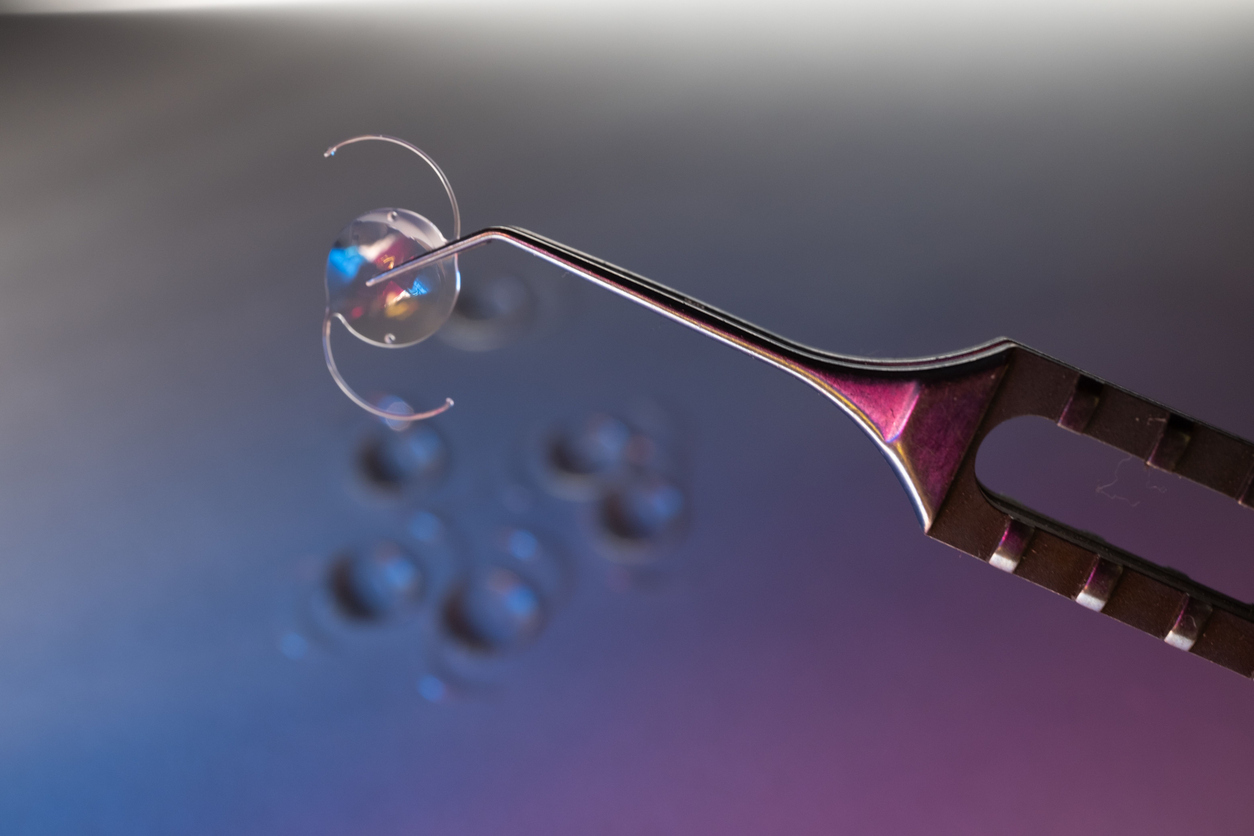
Discover why Implantable Contact Lenses (ICL) are a safe, effective alternative to laser eye surgery, offering sharp, stable vision for patients with high prescriptions, thin corneas, or dry eyes.

Learn what symptoms to expect after LASIK, PRK, or SMILE laser eye surgery. Discover common recovery effects, how long they last, and when to contact your surgeon.

What is a stable prescription for laser eye surgery? Learn why vision stability matters and how it affects your eligibility for treatment.

Does needing a laser eye surgery touch-up mean something went wrong? Learn why enhancements happen and how they refine your results.
-
Learn how long laser eye screening results remain valid, when tests may need repeating, and the best time to schedule surgery.




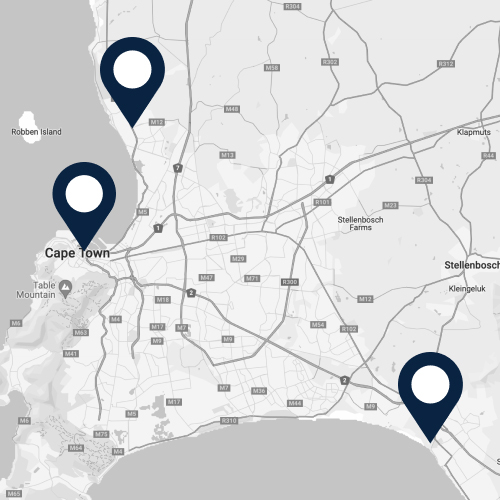
Find us in Cape Town
Dr Daemon McClunan
Dr James Beatty